
National study addresses costs, barriers, and opportunities in connecting farmers, ranchers with conservation programs
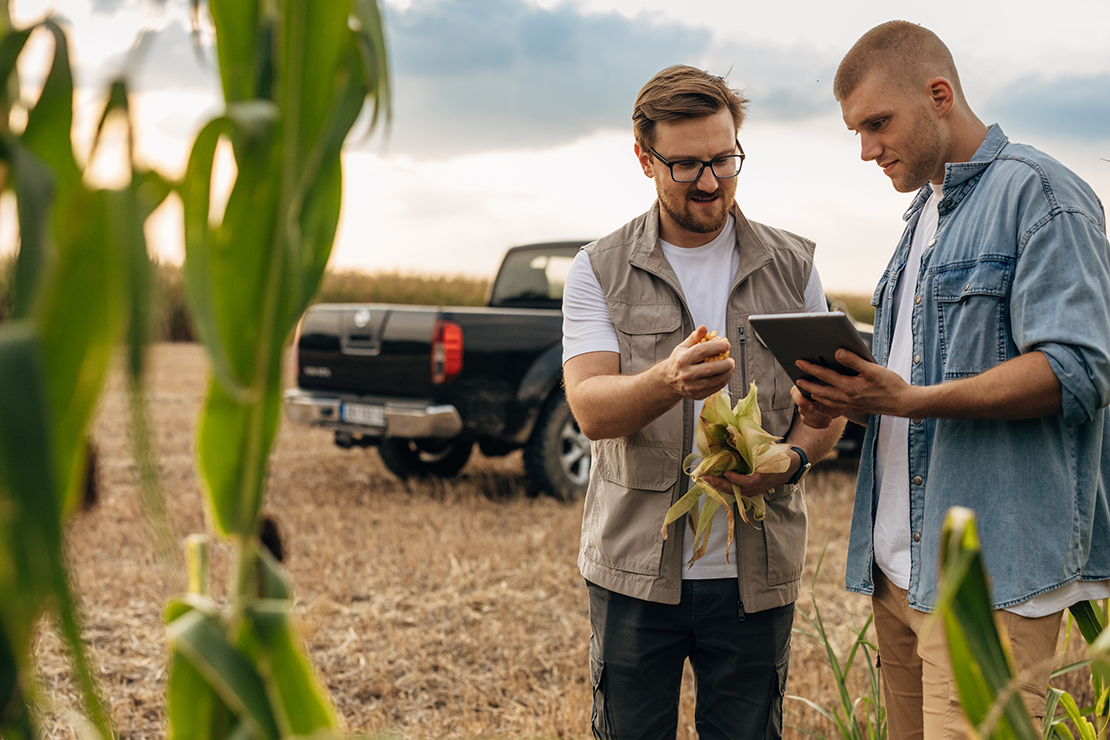
Minneapolis, Minn. – A recent national study has examined the costs, barriers, and opportunities involved in connecting farmers and ranchers with agricultural conservation programs. The study found that inadequate staffing and efficiency challenges are significant barriers to enrolling producers in these programs, rather than a lack of farmer interest. Improved alignment between program funders and implementors is needed to address these challenges.
Current Challenges in Program Enrollment
With increased pressure on funding sources for agriculture conservation programs to demonstrate impact, those implementing these initiatives have identified inefficiencies in the process of enrolling farmers and ranchers. In many cases, the labor and resources required for enrollment have been underestimated, indicating that staffing and funding are not well matched to program demands. Notably, 41 percent of program implementors reported lacking the time, data, and capacity to calculate the return on investment for their program and recruitment costs.
Study Background and Insights
This benchmark study, titled Reach Farmers Faster: Costs, Barriers & Opportunities in Connecting Farmers with Conservation, is the first of its kind to detail the costs, time, and effort involved in recruiting and enrolling producers into conservation programs. It draws on perspectives from leaders and implementors at national, state, and county levels. The research was conducted by Environmental Initiative and Farm Journal’s Trust In Food™, with funding for Environmental Initiative provided by the Walmart Foundation.
Key findings from the study highlight the need for stronger and more aligned relationships between implementors and funders to enable greater success. Respondents cited funding bottlenecks, shifting priorities, and inadequate staffing as the main obstacles to enrolling producers, rather than a lack of interest from farmers.
Unlocking Efficiency Through Collaboration
The study’s authors hope their findings will spark meaningful conversations between program funders and implementors. According to Jaycie Thomsen, Associate Partnership Director at Environmental Initiative, “For the companies, foundations and other entities that provide philanthropic support to conservation programs, this study provides insight on how their dollars can be more efficiently utilized.” Thomsen added, “It is loud and clear to us that a growing number of producers are open to learning about sustainable ag practices. So, it’s vital that those of us engaged in reaching out to producers work together to create more efficient, well-supported enrollment strategies.”
The research points to opportunities for more direct communication between funders and implementors to better understand each other’s needs, with strengthened partnerships leading to increased efficiency for both groups. The study also reveals that many program implementors work with small teams, often consisting of five or fewer staff members. These teams frequently lack dedicated outreach personnel, access to lists of potential participants, and sufficient time to assess which outreach strategies are most effective. Despite these limitations, implementors are tasked with delivering and managing complex programs involving large numbers of producers and broad geographic coverage. Candace Bergesch, Director of Data Storytelling and Insights at Trust In Food™, emphasized that connection with producers is essential for conversion, but many organizations lack the infrastructure and time required for efficient enrollment.
Environmental Initiative and Trust In Food™ are working to address these gaps by training implementors, providing access to quality lists of interested producers, and offering direct support for outreach and engagement activities.
Guidance for Program Funders
Implementors contacted during the study reported their programs are often hampered by reimbursement timelines that don’t reflect when the work gets done, reporting cycles not aligned with the growing season, and bureaucratic requirements that tie up resources instead of freeing implementors to support farmers.
Methodology
The Reach Farmers Faster study utilized in-depth interviews and informal input sessions to gather insights from individuals directly involved with farmers and ranchers on conservation programs. From January to April 2025, researchers interviewed outreach staff and program leaders from a diverse array of organizations, ranging from national and international funders to county-level conservation groups. These discussions informed the creation of a national online survey, which was designed and distributed by Environmental Initiative and Trust In Food™ to nonprofit, government, and industry conservation program staff nationwide from June to July 2025. In total, more than 50 experts participated in the study. Throughout the process, an advisory council of conservation and academic experts reviewed all survey and interview questions to ensure they reflected real-world experience and research best practices.
###
Environmental Initiative is a nonprofit that connects people from communities, government, nonprofits, and businesses to solve environmental problems in partnership. By focusing on collaboration where it’s most needed, solutions can be achieved that are more equitable and long-lasting. Contact Deborah Carter McCoy with media enquiries for Reach Farmers Faster.
Trust In Food™ is the social-purpose initiative of Farm Journal working to accelerate and scale the transition to more sustainable and resilient agricultural systems. We deploy the unparalleled business intelligence, data, reach and trust of the nearly 150-year-old Farm Journal company to unleash the potential of every dollar invested in sustainable agriculture within the United States.